
Manufacturing Facilities & Quality Control
-
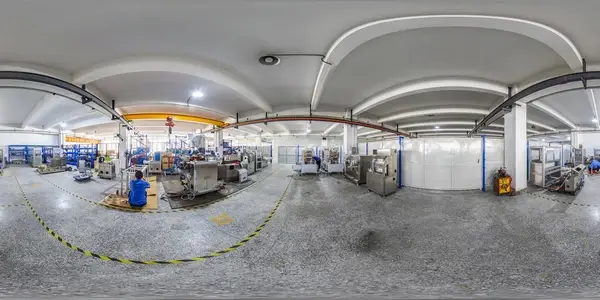 Assembly Workshop
The assembly workshop assembles complete extrusion lines, including carrying out the mechanical installation, the electrical wiring, the initial commissioning, and a quality inspection, in accordance with the production schedule. It receives as key components barrels, screws, motors, and control cabinets.
-
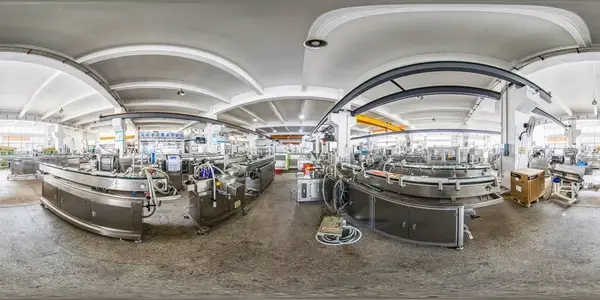 Commissioning Workshop
Completed extrusion lines undergo powered testing, no-load and load operation, process parameter adjustment, performance verification, and troubleshooting in the commissioning workshop. Our extrusion equipment is stored or shipped only after it meets all technical and customer requirements.
-
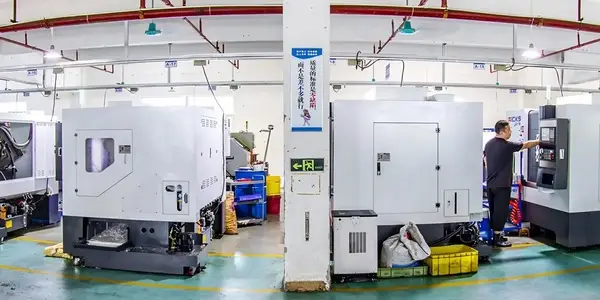 Machining Workshop
The machining workshop handles the precision machining of key components for extrusion equipment, ensuring dimensional accuracy, proper assembly fit, and stable machine operation.
-
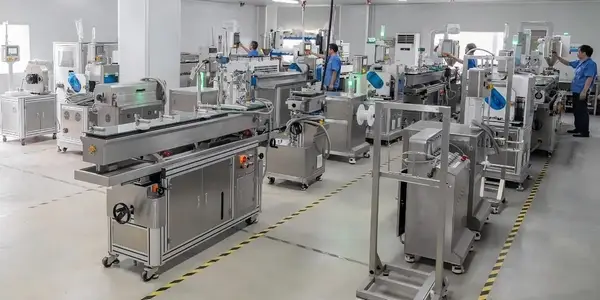 R&D Workshop
The R&D workshop is equipped with precision extrusion and testing equipment for advanced catheter sampling and trial production. It supports long-term mold trials and sample development for new products, with precision dimensional measurement available throughout trial production.
-
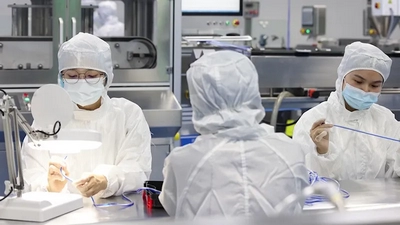 Visual Quality Inspection
Each extruder is visually inspected for black spots, scratches, contamination, and other visible defects. Inner and outer surfaces should be smooth, with clean and even end faces.
-
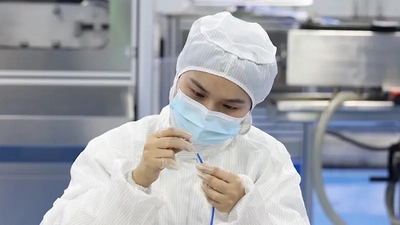 Dimensional Accuracy Inspection
Laser diameter gauges are used to measure inner and outer diameters, with a dimensional tolerance of ±0.1 mm. The pass rate for sampled inspections exceeds 99%.
-
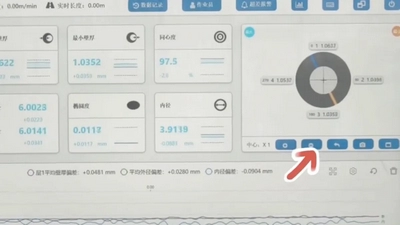 Concentricity / Eccentricity Inspection
Ultrasonic thickness gauges measure wall thickness uniformity, with eccentricity controlled to ≤0.15 mm.
-
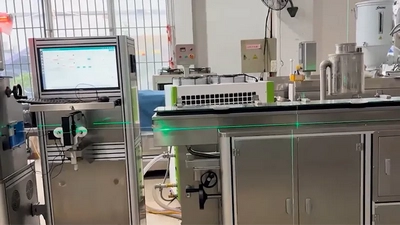 Levelness Inspection
Laser levels are used to verify machine base alignment. Both longitudinal and transverse levelness are controlled to ≤0.05 mm/m.
-
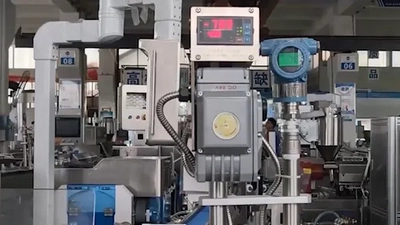 Extruder Pressure Testing
Melt pressure sensors monitor die-head pressure, with pressure fluctuation controlled to within ±5%. Specific operating pressure is set according to the process, typically within 5–30 MPa.
-
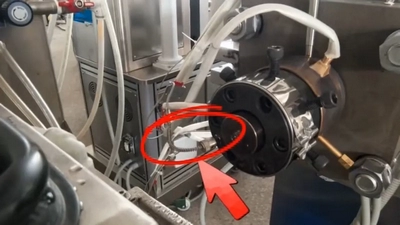 Extruder Temperature Testing
Thermocouples measure temperatures across individual heating zones to verify stable plasticization. Temperature deviation is controlled to remain within ±2 °C, or ±0.5–1 °C for medical applications.